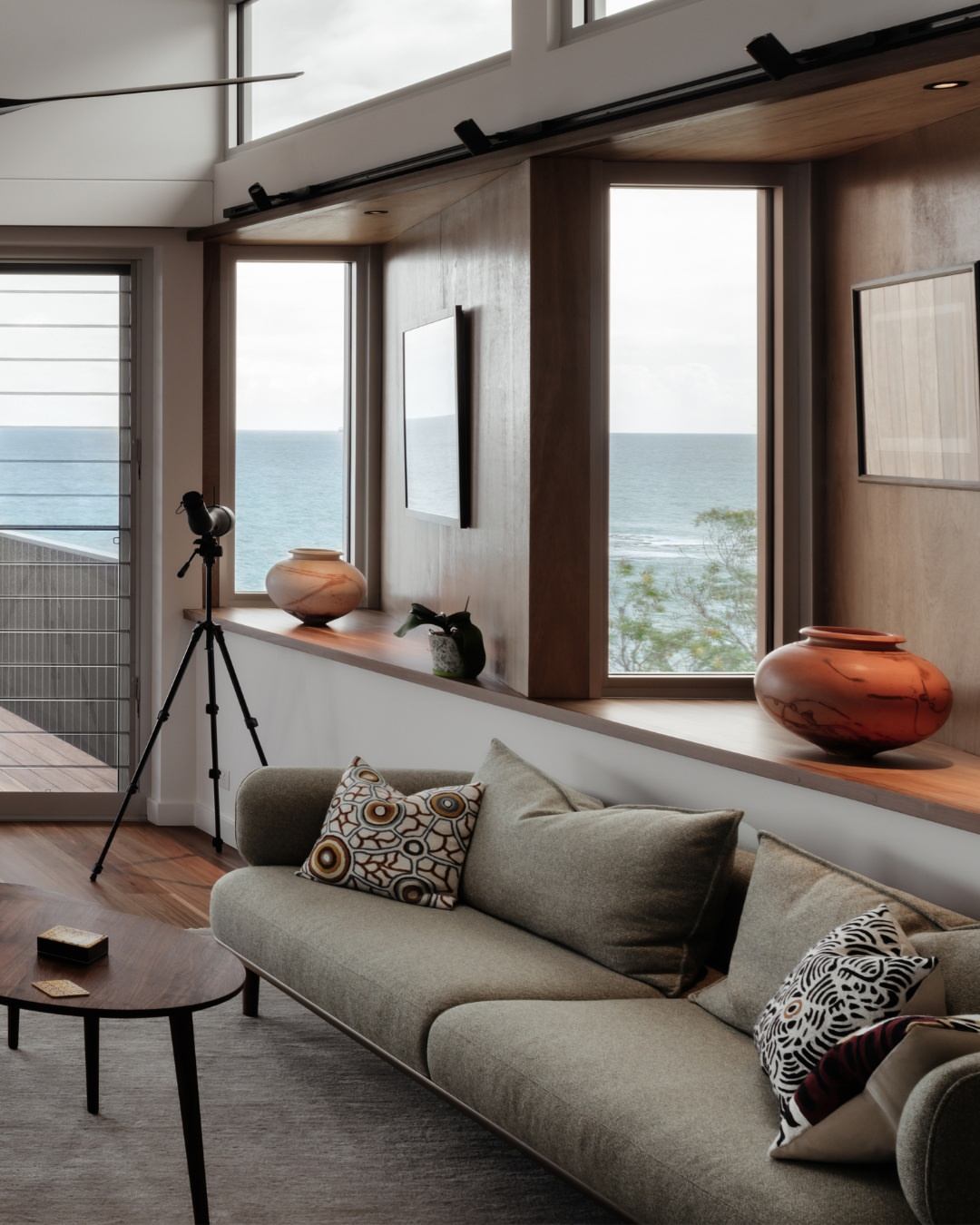
NatHERS 7-star compliant custom homes built across Wollongong, Shellharbour, Kiama, and Shoalhaven, with passive solar design, thermal envelope construction, and BASIX compliance integrated from the first drawing, not bolted on at the end.
NSW Licensed Builder 258735c · HIA, MBA & APB Member · NatHERS 7-Star & NCC 2022 Compliant · BASIX CertifiedA 7-star NatHERS rating and BASIX certification are achievable on almost any new residential project in NSW. The question is how you get there and what it costs to live in the result. A home that passes compliance on paper but was not designed around passive principles from the start can still be cold in winter, overheated in summer, and expensive to run year-round.
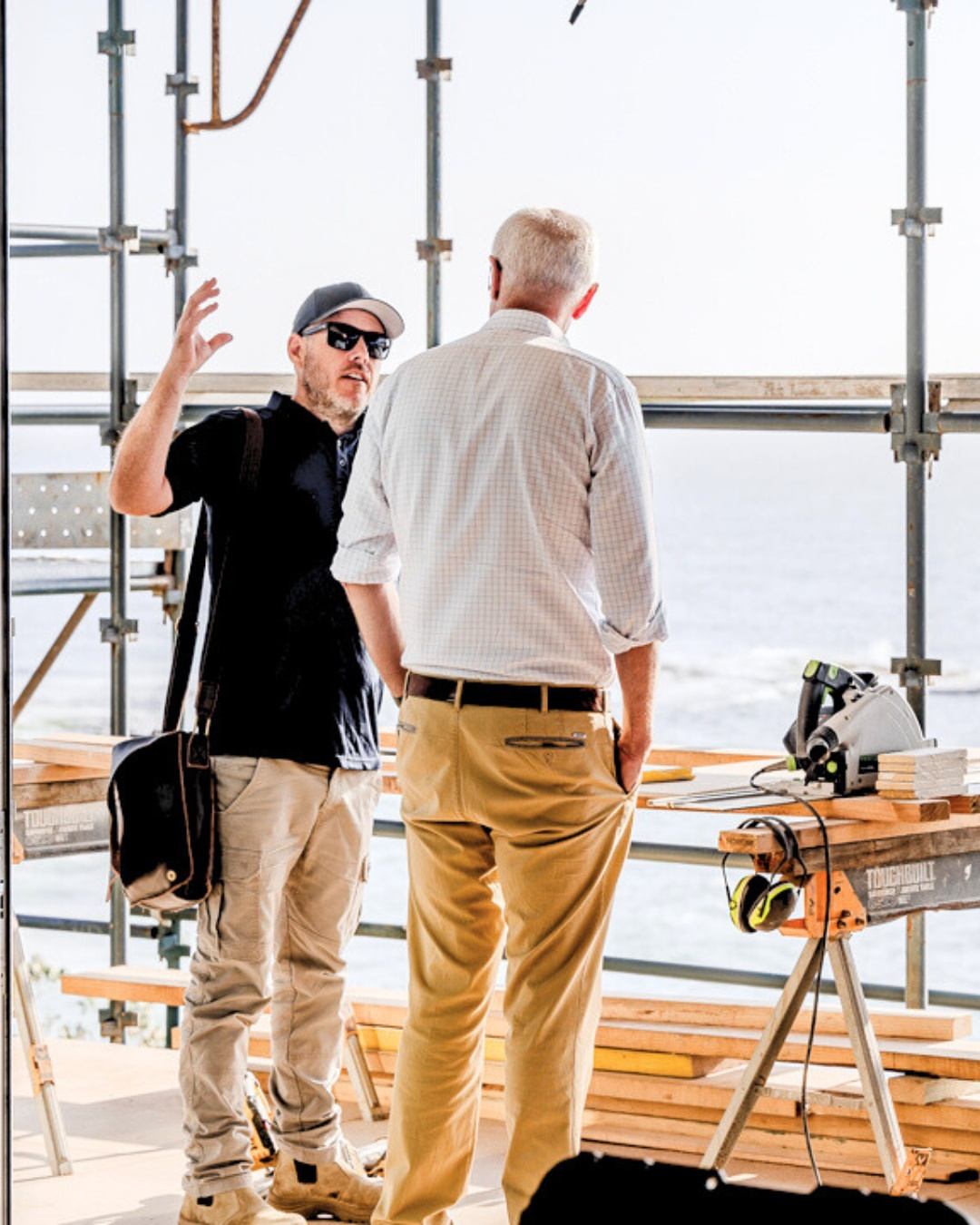
At CKS Projects in Wollongong, sustainable construction starts with your site's specific solar orientation, prevailing winds, and climate zone across the Illawarra and South Coast. Keiron Moore and the CKS team design the thermal envelope first, positioning living spaces for northern solar access, sizing eave overhangs to shade summer sun while admitting winter light, selecting wall and roof insulation specifications for the actual climate zone, and orienting glazing for cross-ventilation before any discussion of solar panels, heat pumps, or smart monitoring systems begins.
That sequence matters. Passive design reduces what active systems need to do, which reduces their size, their cost, and your ongoing energy bills. A home designed around passive principles first and fitted with appropriately scaled active systems second will outperform a conventionally designed home with maximum solar and the best HVAC money can buy.
The gap between what an eco home is supposed to deliver and what many homeowners actually experience comes from one consistent source: sustainability decisions made after the design is locked in.
Builder-led eco construction at CKS Projects resolves each of these issues by treating passive design as the foundation and active systems as the complement, in that order, for every project.
Sustainable construction at CKS Projects is a whole-of-project commitment, from the climate analysis that shapes the initial concept through to the systems walkthrough at handover that gives you a clear picture of how to run your new home efficiently.
Every stage of the process is designed so that sustainability decisions are made when they cost the least and contribute the most, at the beginning of the project, not as expensive corrections at the end.
We start with your site's specific characteristics, mapping solar access, wind patterns, shading from trees or adjacent structures, and the climate zone applicable to your Wollongong, Shellharbour, Kiama, or Shoalhaven location. Your lifestyle goals, household patterns, and sustainability priorities are established here so the design responds to how you actually live.
We develop an initial concept that positions the building on the site for optimal solar access and natural cross-ventilation, with living spaces and glazing oriented to capture winter sun and exclude summer heat. Thermal mass strategy, eave depths, and shading elements are resolved at this stage, before structural decisions are locked in.
We complete the NatHERS thermal simulation and BASIX assessment against the finalised design, confirming the 7-star performance target is met and identifying any specification adjustments needed to optimise both compliance and real-world comfort. Energy and water systems are sized against the modelled performance at this stage.
We build to the thermal specifications modelled in the design phase, with quality inspections at each stage focused on airtightness detailing, insulation installation, glazing installation tolerances, and systems integration. Material selections are confirmed and staged to minimise waste and maintain supply chain consistency across the build program.
We complete a full walkthrough of all energy and water systems, configure smart monitoring where specified, and provide a written maintenance guide covering the specific insulation, glazing, cladding, and systems products used in your build, so you understand how to get the most from the home long after handover.
Eco home construction at CKS Projects suits anyone building a new home on the Illawarra or Shoalhaven who wants measurably lower energy bills, year-round thermal comfort, and a home designed to last on a coastal or escarpment site.
Families building their long-term home on the Illawarra or South Coast who want a design that is comfortable to live in year-round without relying on constant heating and cooling to compensate for a poorly performing building envelope.
Homeowners for whom reducing energy consumption, embodied carbon, and ongoing resource use is a genuine priority alongside design quality and construction budget, not just a marketing preference.
Projects on Illawarra coastal blocks or escarpment sites where salt air corrosion, humidity, strong winds, and challenging solar geometry require a site-specific sustainability approach rather than a standard specification.
Homeowners and investors who understand that a well-specified thermal envelope and passive design produce measurable long-term savings in energy costs and maintenance, and want those benefits documented and verified through NatHERS and BASIX.
Anyone building a new residential project that needs to meet or exceed current NCC 2022 energy efficiency provisions, BASIX water and energy targets, and NatHERS minimum star ratings as part of the DA or CDC approval process.
Landowners replacing an existing dwelling with a high-performance new home and wanting to take full advantage of the opportunity to design the thermal envelope, orientation, and systems from scratch rather than inheriting the constraints of an existing structure.
There is a significant difference between sustainability advice from a consultant and sustainability decisions made by someone who has built residential homes in salt-air coastal zones, on south-facing escarpment blocks, and in the specific climate conditions of the Wollongong and Shoalhaven regions for over 25 years.
When CKS Projects specifies a corrosion-resistant cladding system, a particular insulation installation method, or a glazing specification for a north-facing coastal living room, it comes from direct experience with how those materials and details perform in Illawarra conditions over time, not from a generic sustainable design guide written for a different climate.
Eco-conscious upgrades to insulation, glazing, and passive design typically deliver a measurable reduction in heating and cooling loads. Fixed-price build contracts are issued after design is finalised so sustainability scope is clear and costed before construction begins.
"Keiron worked with us and the architect with positivity and practical solutions throughout the design process."Geoff McIntosh
What does a 7-star NatHERS rating actually mean for day-to-day living?
NatHERS (Nationwide House Energy Rating Scheme) measures how much energy a home needs to maintain thermal comfort across the year based on its design, orientation, insulation, and glazing. A 7-star home requires significantly less mechanical heating and cooling than the previous 6-star minimum, which typically translates to lower energy bills and more consistent indoor temperatures across seasons. The actual saving depends on how the home is used, but passive design that achieves a genuine 7-star outcome is noticeably more comfortable to live in than a home that achieves it through specification upgrades alone.
Does building an eco home cost significantly more than a standard build?
The upfront cost difference depends on how much of the performance comes from passive design decisions (which typically add little to nothing to construction cost) versus upgraded materials and active systems (which do carry a premium). A home that reaches 7-star through good orientation, correctly sized eaves, and appropriate insulation specification will cost less to build than one that reaches the same rating through double glazing on every window and an oversized solar system. CKS Projects identifies the lowest-cost path to the performance target as part of the design process and provides a clear breakdown of the upfront cost and expected long-term saving for each sustainability specification decision.
How does passive solar design work on a block with limited northern orientation?
Northern orientation is the ideal starting point but not the only option. On constrained or awkward blocks, passive performance can be achieved through careful placement of thermal mass, clerestory glazing, courtyard design for cross-ventilation, and selective shading strategies that still capture useful solar gain without the ideal north-facing orientation. CKS Projects assesses each site individually to identify the best passive design response for its specific orientation, not a standard layout that assumes ideal conditions.
What sustainable materials does CKS Projects specify for coastal Illawarra builds?
Coastal builds in the Illawarra and Shoalhaven require materials that perform in salt air, high humidity, and elevated UV exposure over a fifty-year building life. CKS Projects specifies corrosion-rated cladding systems, powder-coated or stainless steel fixings, durable external timbers appropriate for coastal exposure, and window and door systems tested to the wind and corrosion ratings applicable to the site's distance from the coast and exposure classification. Sustainability in a coastal context means durability first, not just low embodied carbon at the time of construction.
Do I need solar panels to meet BASIX and NatHERS requirements?
Not necessarily. BASIX energy targets can often be met through insulation, efficient hot water systems, and good passive design without requiring rooftop solar. NatHERS assessments the thermal performance of the building shell, not the energy generation capacity of the property. Solar panels improve your energy balance and reduce grid consumption but are separate from the thermal star rating. CKS Projects advises on whether solar is genuinely cost-effective for your project based on the modelled thermal performance of the building, not as a default recommendation.
Can an eco home also be designed for coastal aesthetics rather than looking "sustainable"?
Absolutely. Passive design principles, including large north-facing windows, shading eaves, thermal mass in floors and walls, and durable cladding materials, are entirely compatible with contemporary coastal Illawarra architecture. The design decisions that produce good thermal performance typically also produce homes that are open, light-filled, well-connected to outdoor spaces, and visually grounded in their coastal or escarpment setting. The two goals reinforce rather than conflict with each other.
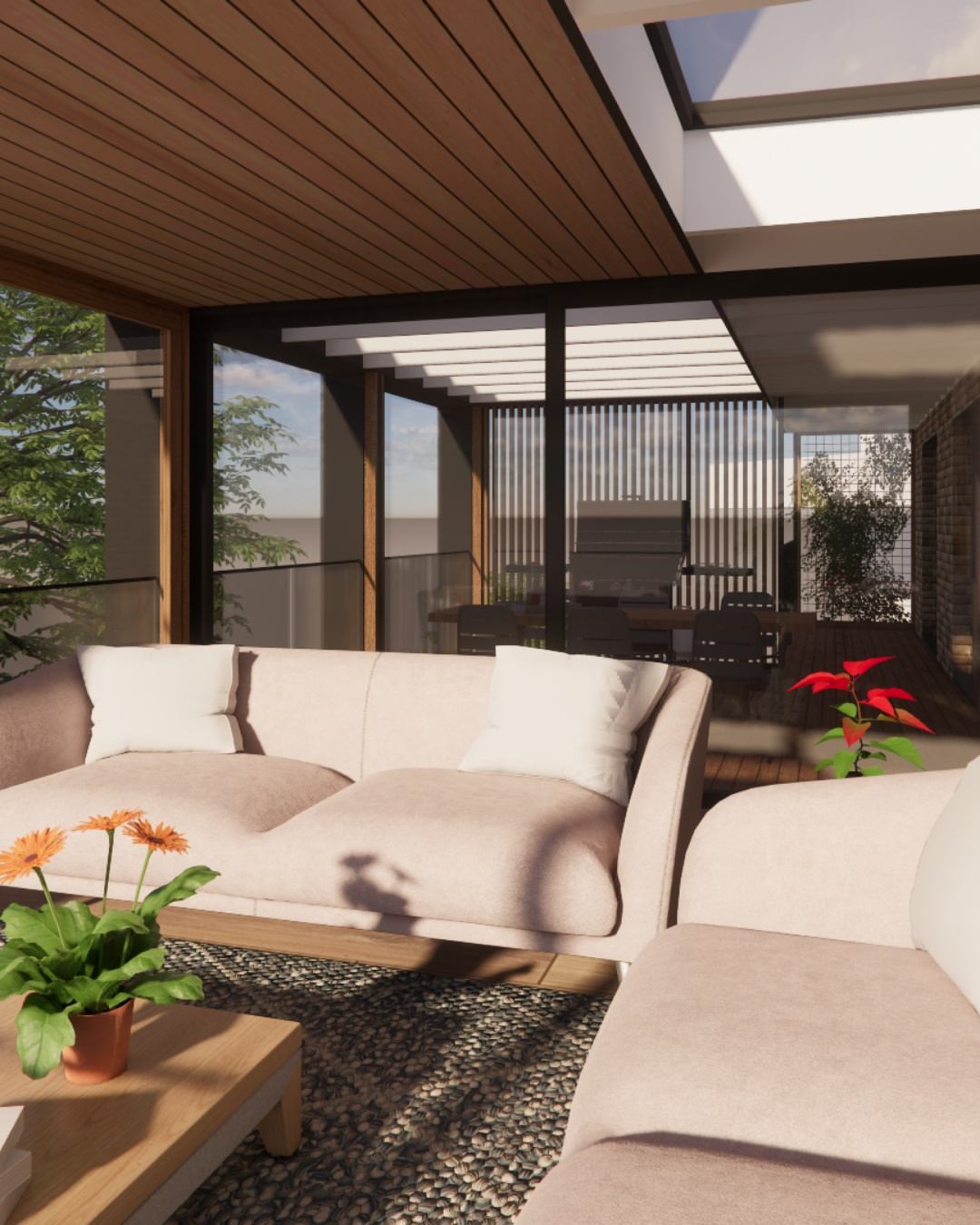
Bring your site, your brief, and your sustainability goals. We will give you a clear picture of what passive design can achieve on your specific block, what systems make sense for your household, and what the real cost and long-term saving of a genuinely high-performance home looks like before any design fees are committed.
Prefer to call?
02 4271 5132